Greek Islands Cruise Holidays
Greek Island cruises combine beaches, ancient history, island villages and Mediterranean food. Compare itineraries carefully because different cruises visit very different combinations of islands.
Explore Cruise Deals →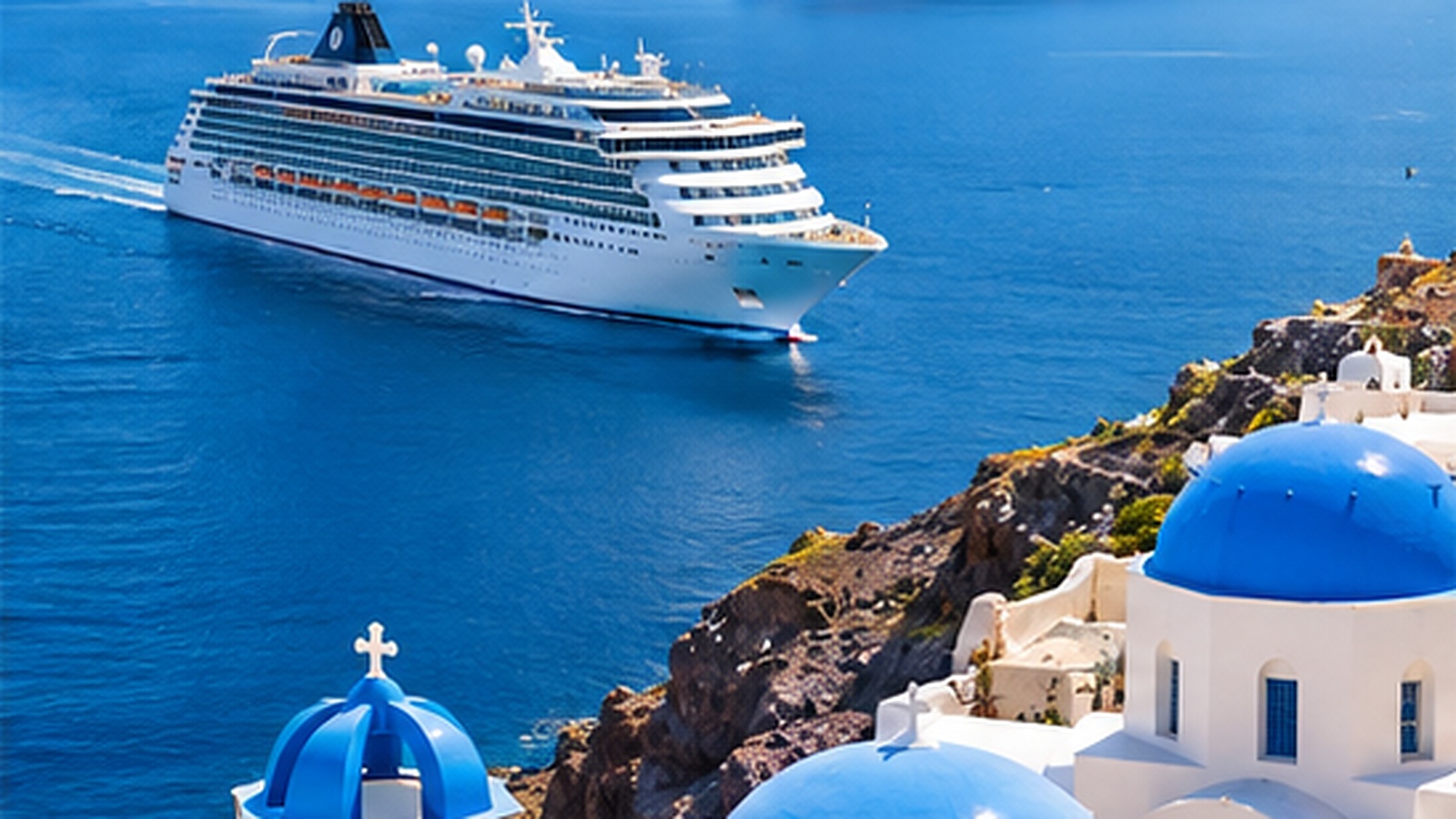
Greek Islands by cruise
Santorini, Mykonos, Rhodes, Crete and other ports combine island scenery, history, beaches and Mediterranean food.
Use the guide below to compare itineraries, seasons, ports, cabin choices and the practical details that can affect the total cost of a cruise.
Browse Cruise Deals →Why choose a Greek Islands cruise?
Greek Islands cruises combine ancient history, Mediterranean scenery, beaches, local food and island-hopping in one holiday. Popular routes can include Santorini, Mykonos, Rhodes, Crete and other islands, often alongside Athens or ports in Turkey. A cruise is a convenient way to experience several islands without arranging separate ferries and hotels. It also gives travellers a choice of organised excursions or independent exploration at many ports. The best itinerary depends on whether your priority is history, beaches, scenery, food, nightlife or a mixture of all of them.
Santorini and Mykonos
Santorini is famous for its volcanic landscape, caldera views and whitewashed villages, while Mykonos is known for beaches, traditional architecture and lively summer atmosphere. Both can be busy during peak season, particularly when several cruise ships arrive at the same time. Check the ship’s arrival and departure times and research how passengers travel between the port and main attractions. Tendering arrangements may affect the time available ashore, so the itinerary details matter when deciding which sailing to book.
Popular Greek Islands Cruise Destinations
Each destination above now has its own detailed cruise and tourist information guide. Use the links to explore attractions, shore excursions, port information, practical tips and SEO-friendly destination guides.
Greek Islands Tourist Information
A Greek Islands cruise combines several of the Mediterranean's most recognisable landscapes with ancient history, local food, beaches and the relaxed atmosphere of island life. Greece is particularly well suited to cruising because there are many islands and mainland ports within relatively manageable sailing distances. An itinerary can therefore move from a famous Cycladic island to a historic city or archaeological site and then to a different island landscape, all while passengers return to the same ship each evening.
Santorini is one of the most visually distinctive destinations in the Aegean. The island's volcanic history created the dramatic caldera, steep cliffs and unusual beaches that visitors see today. Whitewashed settlements such as Oia and Fira are associated with panoramic views across the caldera, while excursions can explore volcanic sites, wineries and villages. The island can become busy when several cruise ships are present, so passengers should consider the ship's arrival time and the method of getting ashore when planning the day. Official Greek tourism information describes Santorini's volcanic setting and caldera as central features of its identity.
Mykonos provides a contrasting experience. It is known for whitewashed buildings, narrow streets, windmills, beaches and a lively atmosphere. The town is well suited to wandering, photography, shopping and finding a waterfront café, while organised excursions can explore beaches or the nearby island of Delos. Visit Greece highlights Mykonos for its Cycladic architecture, beaches, Little Venice and distinctive windmills. The busiest summer days can feel very different from quieter periods, so travellers who prefer a slower pace should consider sailing dates carefully.
Rhodes offers a strong mixture of history and coastal scenery. Its medieval city is a major attraction, while Lindos provides another popular excursion with its hilltop acropolis and village setting. The island also has beaches, mountain scenery and traditional communities. Corfu brings a greener landscape and a different architectural heritage. The Old Town of Corfu is a UNESCO World Heritage Site and reflects the island's long association with different European powers. Official tourism information describes Corfu's combination of beaches, lush landscapes, historic architecture and cultural traditions.
Crete is the largest Greek island and can provide a broader destination experience than a short island port call might suggest. Depending on the port, excursions can focus on archaeological sites, historic towns, mountain landscapes, beaches or local food. Heraklion is an important gateway to the Palace of Knossos and the wider central Cretan region, while Chania offers a picturesque old harbour and historic architecture. Katakolon, on the western Peloponnese, is commonly used for excursions to ancient Olympia, making it particularly appealing to travellers interested in classical history.
Athens, reached through Piraeus, adds a major mainland city to many Greek itineraries. The Acropolis and Parthenon are the obvious headline attractions, but Athens also has neighbourhoods, markets, museums and restaurants that can reward travellers who have more time. Some cruises combine Greece with Turkey, Croatia, Malta or Italy, so it is important to check the complete route rather than assuming that a cruise marketed as Greek Islands will visit a particular island. Port rotation can vary by ship and season.
The best season depends on your priorities. July and August can bring hot weather, long daylight hours and a lively holiday atmosphere, but popular islands can also be extremely busy. May, June, September and October can offer a different balance for sightseeing, although conditions are not guaranteed and sea conditions can affect individual calls. If swimming and beach time are central to your plans, look at expected sea and air temperatures as well as the number of daylight hours.
Shore excursions deserve particular attention on Greek cruises because famous sights may be some distance from the cruise terminal. Organised tours can simplify transport and timing, while independent exploration can be rewarding when the main attractions are close to the port. Always check walking distances, steps, heat exposure and the required return time. If a port uses tender boats rather than a berth alongside, allow extra time to get ashore. Overall, Greek Islands cruising is about variety: ancient monuments, volcanic landscapes, beaches, food, villages and lively waterfronts can all appear within the same holiday.
Food is an important part of the destination as well. Local tavernas can provide opportunities to try regional dishes, seafood, salads, cheeses and pastries, while markets and small cafés can offer a glimpse of everyday island life. If you prefer independent sightseeing, keep the ship's departure time in mind and avoid travelling too far from the port unless you have arranged reliable transport. This is particularly important on islands where roads can become busy during peak visitor periods.
Rhodes, Crete and Athens
Rhodes offers a combination of beaches and historic attractions, including the medieval old town. Crete provides a larger island experience, with archaeological sites, mountain scenery, beaches and local food. Athens is often included as an embarkation point or port call and gives access to major ancient landmarks. If a cruise includes Athens, consider whether you want to arrive early and add a hotel night before the sailing. This can provide more time for sightseeing and reduces the risk of missing embarkation if a flight is delayed.
Best time to cruise the Greek Islands
The main Greek Islands cruise season runs through spring, summer and early autumn. July and August are typically the hottest and busiest months, while May, June, September and October can provide different combinations of weather and visitor numbers. If beaches are your main priority, warmer summer conditions may be attractive. If you want to spend long days sightseeing, shoulder-season temperatures can be more comfortable. Always check the itinerary because the weather and opening hours of individual attractions can affect your plans.
Greek Islands shore excursions
Cruise excursions can include archaeological sites, food and wine experiences, beach trips, boat tours and scenic drives. Some destinations involve uphill walking, cobbled streets or transfers from the port, so check the physical requirements before booking. Independent exploration can be rewarding, but remember that the ship’s departure time is fixed. In busy ports, allow extra time for local transport and queues. Booking popular attractions in advance may be sensible during peak season, especially where entry tickets are limited.
How to compare Greek Islands cruises
Look at the complete itinerary rather than choosing a cruise solely because it includes one famous island. Compare the number of Greek ports, time ashore, sea days, embarkation port, ship, cabin and fare inclusions. Also consider flights and hotel costs if the cruise departs from Athens or another European port. Families, couples and solo travellers can have very different priorities, so use our cruise-type guides alongside this destination guide. A well-matched itinerary can make the difference between a cruise that feels rushed and one that gives you time to enjoy each destination.
Greek Islands Cruise Frequently Asked Questions
Which Greek Islands can I visit on a cruise?
Greek cruise itineraries can include a wide range of islands and mainland ports, with popular destinations such as Santorini, Mykonos, Corfu, Rhodes and Crete appearing on different routes. Some sailings also combine Greece with Turkey, Croatia, Italy or other eastern Mediterranean destinations. Each island offers a different experience. Santorini is associated with cliffside villages and caldera views, Mykonos with beaches and its historic town, while Corfu and Crete offer broader combinations of history, scenery and local culture. Check the exact itinerary because a Greek Islands cruise does not necessarily visit the same islands as another. Port times are also important, particularly where attractions are some distance from the ship.
Are Greek Islands cruises good for first-time cruisers?
They can be, especially for travellers who want a mixture of sightseeing, food, scenery and relaxing time onboard. A cruise makes it possible to experience several Greek destinations without changing hotels and arranging separate ferry journeys. First-time cruisers should compare the ship as carefully as the itinerary. Consider cabin location, dining style, sea days, entertainment and the inclusions in the fare. Smaller ships may offer a different atmosphere from large resort-style ships. Also check the embarkation arrangements: some itineraries are fly-cruises, while others may be part of longer Mediterranean voyages from a UK port. The right choice depends on the balance you want between island exploration and time spent enjoying the ship.
When is the best time for a Greek Islands cruise?
The main season is associated with warmer weather and long daylight hours, but the best timing depends on what you want to do. Peak summer can be very warm and busy, while spring and autumn may offer a different balance for sightseeing. If your priorities are beaches and swimming, warmer dates may be attractive; if your focus is historic sites and walking, consider the heat and the amount of time spent outdoors. The exact cruise schedule matters as well because some ports are busier than others. Pack suitable sun protection, comfortable walking shoes and a light layer for evenings and air-conditioned areas. Always check the actual sailing dates and itinerary rather than relying on a general seasonal description.
What should I know about shore excursions in the Greek Islands?
Shore excursions can be useful because several famous attractions are not immediately beside the port. Organised tours can provide transport and a guide, while independent exploration gives you more control over your time. Read excursion details carefully, particularly walking distances, steps, transfer times and the length of the visit. Santorini, for example, can involve steep or crowded routes depending on the port arrangements and chosen activity. If you explore independently, allow a generous buffer before the ship departs. Tendering may also be used at some destinations, which can affect the time needed to get ashore. Whether you choose an organised excursion or independent sightseeing, plan around the ship's published departure time rather than assuming local transport will run exactly to schedule.
Do Greek Islands cruises include food and drinks?
Cruise fares generally include specified meals and dining venues, but the exact drinks and dining inclusions vary by cruise line and fare type. Some packages may include selected drinks or dining benefits, while premium restaurants, branded beverages and certain services can cost extra. When comparing cruises, read the fare description rather than assuming that all food and drink is included. If you enjoy trying local Greek food, also allow a budget for meals or snacks ashore. Compare the ship's dining options, restaurant reservations and any dress requirements if these matter to you. The final booking confirmation should make clear what is included in your chosen fare. If anything is unclear, ask the booking provider or cruise line before paying.
How can I compare Greek Islands cruise deals?
Begin with the destinations you most want to visit, then compare the ship, sailing date, port times and cabin. Look beyond the headline price and check flights, transfers, drinks, Wi-Fi, service charges, excursions and other likely extras. A cruise with fewer ports but longer stays may suit travellers who prefer a relaxed holiday, while a port-intensive route can provide more variety. Consider whether you want a large ship with extensive facilities or a smaller vessel with a different style of cruising. If the cruise starts outside the UK, include the cost and practicalities of getting to the departure port. Finally, review payment, cancellation and travel-document conditions before booking.
Ready to explore your next cruise?
Browse destinations, cruise types and cruise-line guides, then compare the details that matter to you.
Explore Cruise Destinations →