Mediterranean Cruise Holidays
A Mediterranean cruise can combine beaches, historic cities, island ports, food and culture in one itinerary. Compare Western and Eastern Mediterranean routes and consider the season, ports and length of sailing.
Explore Cruise Deals →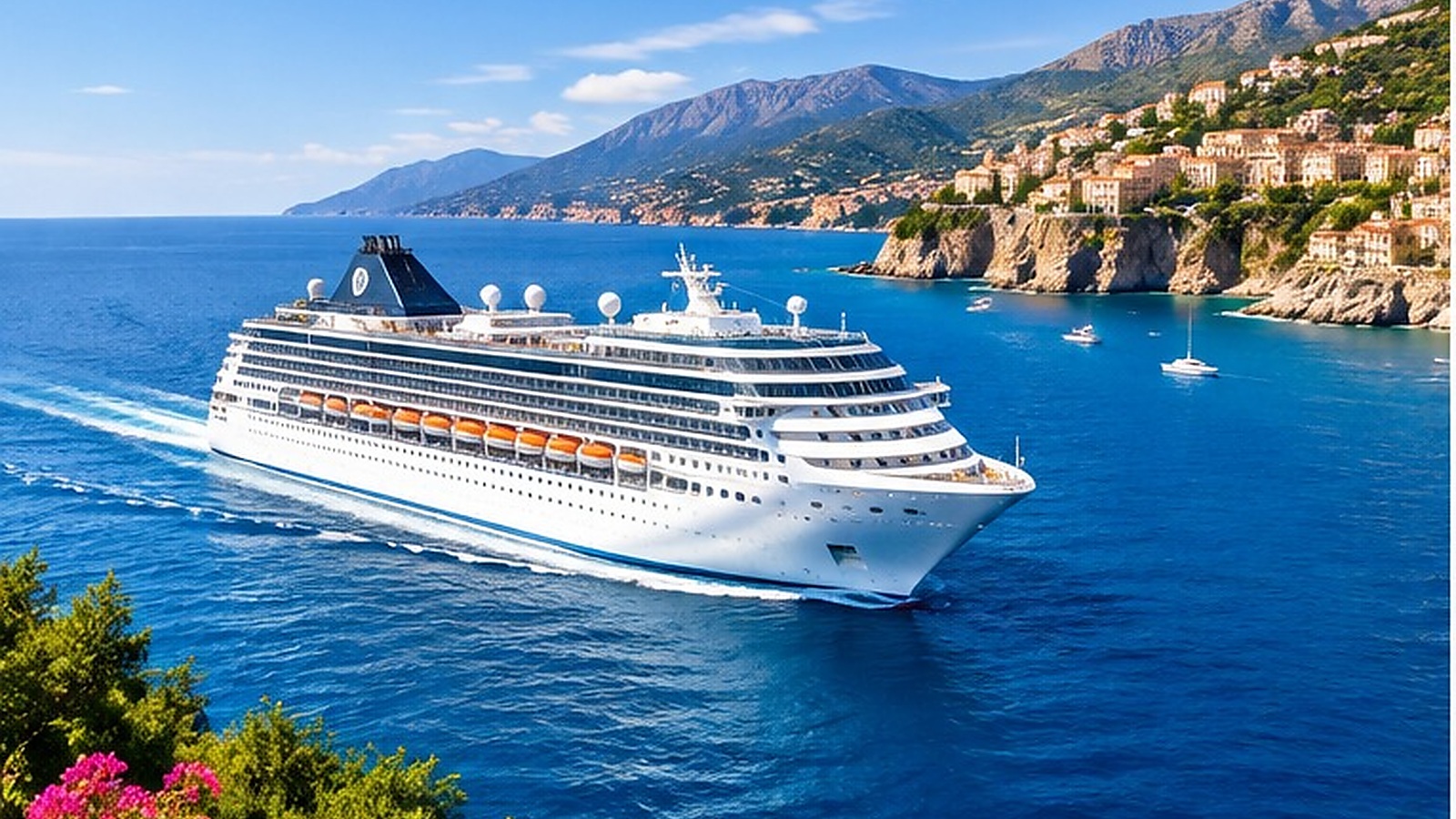
Mediterranean cruising in pictures
From the Spanish and French coasts to Italy, Greece and Croatia, Mediterranean itineraries bring a wide range of scenery and ports into one holiday.
Use the guide below to compare itineraries, seasons, ports, cabin choices and the practical details that can affect the total cost of a cruise.
Browse Cruise Deals →Why choose a Mediterranean cruise?
Mediterranean cruises are a popular choice for travellers who want to combine several countries, cultures and coastal destinations in one holiday. A single sailing can take you from Spain to France and Italy, or across Greece, Croatia, Malta and Turkey, without the need to unpack at every stop. For UK travellers, Mediterranean cruises are available as fly-cruises from major airports and, on selected itineraries, as longer voyages from Southampton. The best cruise for you will depend on the ports you want to visit, the season, the length of the sailing and the level of accommodation and dining included in the fare.
Western Mediterranean cruises
Western Mediterranean itineraries often feature Spain, France and Italy, with Barcelona, Valencia, Marseille and Italian ports forming part of many routes. Some itineraries also include the Balearic Islands, Corsica or Sardinia. These cruises work particularly well for travellers interested in architecture, food, beaches and major European cities. When comparing itineraries, look beyond the number of ports and check how long the ship remains in each destination. A late arrival or short port call can make a significant difference if you want time for independent sightseeing or a longer shore excursion.
Popular Mediterranean Cruise Destinations
- Barcelona
- Valencia
- Marseille
- Rome (Civitavecchia)
- Naples
- Palermo
- Athens (Piraeus)
- Santorini
- Mykonos
- Dubrovnik
- Malta
- Istanbul
Each destination above now has its own detailed cruise and tourist information guide. Use the links to explore attractions, shore excursions, port information, practical tips and SEO-friendly destination guides.
Mediterranean Tourist Information
A Mediterranean cruise is one of the easiest ways to experience a broad collection of European destinations in a single holiday. The region stretches from the Iberian Peninsula and southern France across Italy, the Adriatic and Greece, with routes sometimes continuing towards Turkey, Cyprus and North Africa. What makes the Mediterranean particularly attractive is the variety. A single itinerary can combine famous historic cities, island villages, beaches, ancient ruins, food markets, mountain scenery and modern waterfronts, while you keep the same cabin throughout the journey. For many travellers, that combination of sightseeing and convenience is the main appeal.
Barcelona is one of the most recognisable cruise gateways in Europe and is often used at the beginning or end of Mediterranean itineraries. The city offers architecture associated with Antoni Gaudí, lively streets, food markets, beaches and a compact historic centre. Allowing extra time before or after the cruise can turn a port call into a longer city break. Valencia provides a different Spanish experience, combining a historic centre with modern architecture, beaches and a strong food culture. Depending on the itinerary, ports in the Balearic Islands may add another layer of coastal scenery and resort life.
French ports such as Marseille introduce a Provençal character to a cruise. Travellers can explore the waterfront and historic districts or use the port as a starting point for excursions into the surrounding region. Italy provides perhaps the greatest concentration of major cultural attractions. Civitavecchia is the principal cruise gateway for Rome, where the Colosseum, Roman Forum, Vatican City and historic piazzas can form the focus of a shore excursion. Naples offers access to Pompeii, Herculaneum, Mount Vesuvius and the Amalfi Coast, while Sicily adds destinations such as Palermo and the landscapes around Mount Etna. Because travel times from some ports to headline attractions can be significant, it is worth checking the excursion duration carefully before booking.
The Eastern Mediterranean has a distinctly different atmosphere. Athens, reached through the port of Piraeus, provides access to the Acropolis, Parthenon and historic neighbourhoods, while the Greek islands bring a slower rhythm of beaches, small streets, tavernas and viewpoints. Santorini is particularly known for its volcanic caldera and cliffside settlements, while Mykonos combines whitewashed architecture, beaches and a lively cosmopolitan atmosphere. Rhodes offers a mixture of medieval heritage, beaches and traditional villages, and Crete provides a larger island experience with archaeological sites, mountains, beaches and local cuisine. Official Greek tourism information highlights the cultural and natural variety of destinations such as Santorini, Mykonos, Rhodes and Corfu.
Adriatic itineraries can add Croatia, Montenegro and neighbouring destinations. Dubrovnik is particularly popular for its historic walled city and coastal setting, while other Croatian ports can provide smaller towns, islands and opportunities to explore local food and scenery. Malta is another useful Mediterranean port because its compact size allows visitors to combine historic architecture, harbour views and local culture within a relatively short port call. Some longer itineraries continue to Turkey, where Istanbul offers a striking meeting point between European and Asian influences, major historic monuments, markets and waterfront neighbourhoods.
Choosing the right Mediterranean itinerary is therefore less about finding a single perfect port and more about deciding which type of holiday you want. If ancient history is your priority, look for routes featuring Rome, Naples, Athens and Greek archaeological sites. For beaches and island scenery, consider Greece, the Balearics, Malta or Croatian ports. Food lovers can build an itinerary around Italy, Spain, Greece and southern France. Families may prefer routes with a mixture of beaches and cities, while first-time cruisers may appreciate an itinerary with several well-connected headline destinations. Always check the actual port schedule because cruise lines can use different terminals, substitute ports and alter itineraries for operational or weather reasons.
The season also affects the experience. Spring and autumn can be attractive for sightseeing because daytime conditions may be more comfortable for walking through historic centres, while July and August generally bring hotter weather and a busy holiday atmosphere. The best choice depends on whether you value beach time, long sightseeing days, school-holiday travel or lower-demand periods. When comparing fares, look beyond the advertised cruise price and consider flights, transfers, gratuities or service charges, drinks, Wi-Fi, excursions and hotel nights if required. A slightly higher cruise fare can sometimes represent better overall value when more of the holiday is included.
For a successful Mediterranean cruise, plan each port around the amount of time you actually have ashore. Some cities are walkable from the terminal, while others require a train, taxi, coach or organised excursion. Leave a sensible margin before the ship's all-aboard time and remember that independently arranged transport carries more risk if there is a delay. With thoughtful planning, a Mediterranean cruise can provide a rich introduction to several countries and cultures without the repeated packing and hotel changes of a multi-city land holiday.
Eastern Mediterranean and Greek island cruises
Eastern Mediterranean cruises can focus on Greece and its islands, with itineraries that may include Athens, Santorini, Mykonos, Rhodes, Crete and other destinations. Depending on the route, Turkey, Croatia, Cyprus or Malta may also feature. Greek island cruises appeal to travellers looking for scenery, historic sites, beaches and local food. Port access varies considerably, so check whether the ship docks close to the centre or uses a tender boat. If visiting popular islands during peak season, early planning of shore excursions and transfers can help you make the most of your time ashore.
Best time to cruise the Mediterranean
The Mediterranean cruise season extends across spring, summer and autumn, with different advantages at different times of year. July and August can provide hot, sunny conditions but are also popular holiday months. May, June, September and October can offer a useful balance between warm weather and sightseeing, although conditions vary by destination. If swimming and beach time are priorities, compare average temperatures with the exact ports on your itinerary. If sightseeing is more important, shoulder-season sailings can be attractive because major attractions may feel less busy than during the height of summer.
Mediterranean cruise costs and what to compare
The headline cruise price is only one part of the overall holiday cost. Compare the cabin category, meals, entertainment, drinks, Wi-Fi, gratuities, flights, transfers and shore excursions. A low advertised fare may be based on an inside cabin or may exclude optional extras that you would normally purchase. Also compare the number of sea days, port timings and departure arrangements. A slightly different itinerary can provide better value if it includes ports you particularly want to visit or reduces the need for additional flights and hotel nights.
Planning your Mediterranean cruise
Start by deciding whether you prefer Western Mediterranean, Eastern Mediterranean or a combined itinerary. Then compare departure dates, cruise duration, ship and cabin. Families may want to examine pools, children’s clubs and connecting cabins, while couples may prioritise dining, entertainment and quieter areas. First-time cruisers should also check embarkation arrangements, luggage rules, travel insurance and passport requirements. Our cruise guides can help you understand what is normally included and which extras to budget for before you book. Browse cruise deals and cruise-line information to narrow down the sailings that match your holiday plans.
Mediterranean Cruise Frequently Asked Questions
Are Mediterranean cruises good for a first cruise?
Mediterranean cruises can be a practical introduction to cruising because they combine several destinations with the convenience of unpacking once. Many itineraries include a mixture of large cities, historic ports, beaches and smaller coastal destinations, so there is usually plenty of choice in how you spend your time ashore. First-time cruisers should look closely at the ship as well as the itinerary. A busy mega-ship can feel very different from a smaller or more premium vessel. Also check the number of sea days, dining arrangements, cabin location and what the fare includes. If you are travelling from the UK, compare Southampton departures with fly-cruise options. A no-fly itinerary can simplify the journey, while flying can open up more ports and longer Mediterranean routes.
Which Mediterranean destinations can I visit on a cruise?
The Mediterranean covers a very large cruising area, so the exact destinations depend on the route and season. Popular itineraries can include Spain, France, Italy, Greece, Croatia, Malta and Turkey, with some cruises also reaching North Africa or the eastern Mediterranean. Ports can range from major cities such as Barcelona, Rome-area ports and Athens-area ports to smaller island destinations. Do not assume that a cruise described as a Mediterranean cruise will visit the places you most want to see. Compare the full port list and, importantly, the time spent in each port. An itinerary with fewer calls but longer stays may suit travellers who want independent sightseeing, while a port-intensive itinerary can work well for people who want to experience as many destinations as possible.
What should I check before booking a Mediterranean cruise?
Start with the total holiday cost rather than the headline cruise fare. Check the sailing date, departure port, ship, cabin category, itinerary, port times and the inclusions in the selected fare. Look at whether drinks, Wi-Fi, gratuities or service charges, specialty dining and transfers are included or priced separately. If the cruise is fly-cruise, check the flight timings, baggage allowance and transfer arrangements. Travel insurance should be considered separately and should match the destinations and activities on your itinerary. Check passport and visa requirements for every country visited, because requirements can differ by nationality and itinerary. For UK travellers visiting the Schengen area, government guidance should be checked before departure because border procedures can change. The cruise line's own booking conditions are also important, particularly cancellation, amendment, payment and travel-document rules.
When is the best time to take a Mediterranean cruise?
There is no single best month for every traveller. Summer can provide long days, warm weather and lively resort destinations, but it can also be hotter and busier. Spring and autumn can offer a different balance of temperatures, sightseeing conditions and demand. When comparing dates, think about the activities you want to do rather than weather alone. If your priority is walking around historic cities, very hot conditions may be less comfortable. If beaches and swimming are central to the trip, warmer months may be more appealing. Also check the ship and itinerary because some routes operate seasonally. A shoulder-season sailing can have a different atmosphere from a peak summer cruise, while winter Mediterranean cruises may focus on different ports and shorter daylight hours.
Are shore excursions necessary on a Mediterranean cruise?
No. You can choose organised excursions, explore independently, or combine both approaches. Organised excursions can be useful when a port is far from the main attraction, when you want a guide, or when you prefer the cruise line to coordinate transport and timings. Independent sightseeing can offer more flexibility and may suit experienced travellers who have researched the port carefully. If you go ashore independently, always keep the ship's departure time in mind and allow generous time to return. Excursion descriptions should be checked for walking distances, transport, age restrictions and activity levels. Cruise-line excursions are commonly bookable before sailing or onboard, subject to availability; some popular experiences can fill early.
How can I find a cheaper Mediterranean cruise?
Compare like-for-like rather than simply choosing the lowest advertised fare. A low fare can become less attractive if important extras are added later, so check what is actually included. Compare several sailing dates, cabin categories and departure ports, and consider whether a repositioning or longer itinerary gives better value for the destinations you want. Southampton departures can reduce the need for flights, hotels and airport transfers for UK travellers, although fly-cruise routes can sometimes offer different pricing and itineraries. Check payment schedules, cancellation terms and any promotional conditions before committing. Our aim at CheapCruiseHolidays.com is to help you compare the overall holiday proposition so that a cheap headline price is not mistaken for the cheapest complete holiday.
Ready to explore your next cruise?
Browse destinations, cruise types and cruise-line guides, then compare the details that matter to you.
Explore Cruise Destinations →